


Instagrammable Architecture and the Spaces We Don’t Stay In
An exploration of instagrammable architecture and spaces designed to be captured rather than lived in — remembered through images instead of time spent within them.
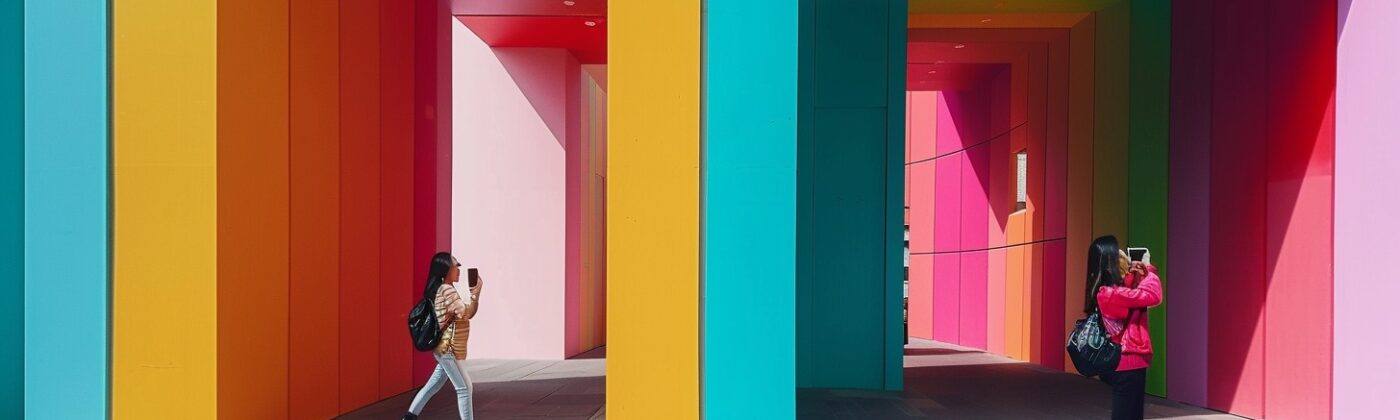
There are places we visit where nothing asks us to stay. We arrive, instinctively adjust our posture, scan the space for the familiar angle, step slightly to the side, wait for someone to move out of frame, and lift our phone. The interaction is brief and strangely efficient. Once the image is taken, the place releases us. There is nothing else it needs from us, and nothing else it offers.
These places are not designed for duration. They are designed for certainty, a guaranteed image, a recognizable backdrop, a moment that already knows how it wants to look before you arrive. In real life, nobody lingers long enough to feel awkward or bored. Nobody wonders where to sit, whether the shade actually works, or what the space feels like after ten quiet minutes. The architecture doesn’t invite that kind of relationship. It doesn’t want time. It wants proof.
We are designing places that are not meant to be inhabited in time, only captured. And once captured, they live on forever somewhere else.
Not here, not fully. Not in stone or concrete or wood, but in feeds, folders, highlights, and archives. The physical space becomes secondary to its image. You don’t remember being there so much as you remember seeing it. And that distinction matters more than we like to admit.
There is a strange kind of immortality in this. A place can be physically empty most of the day and still be one of the most “visited” spaces in the world. It exists through repetition rather than presence, through circulation rather than occupation. Thousands of people have stood in the same spot, not at the same time and not for the same reasons but for the same frame. The architecture no longer belongs to the people inside it; it belongs to everyone who has ever photographed it.
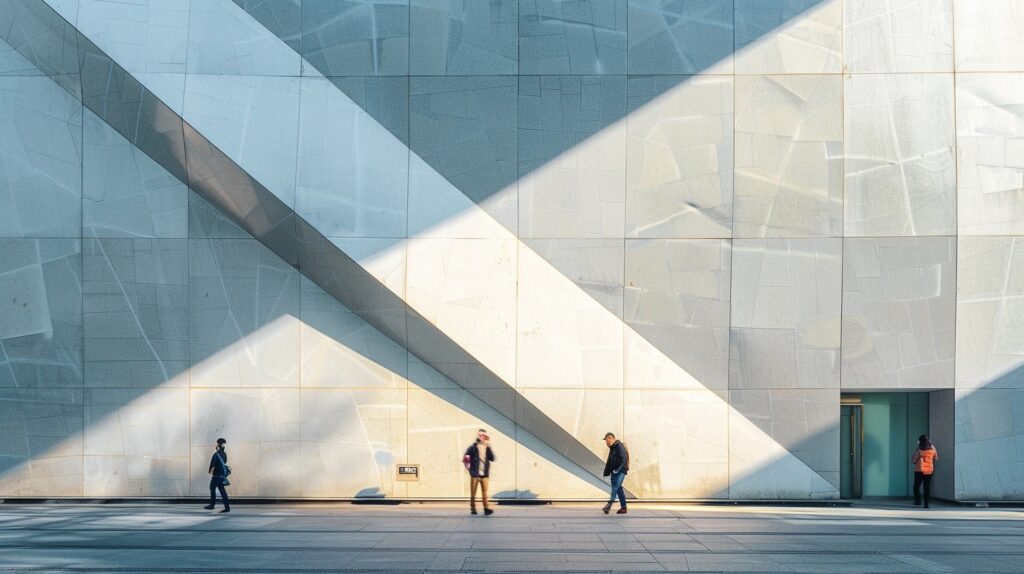
These spaces don’t fail because no one stays. They succeed precisely because no one does. They are frictionless by design. They don’t demand patience, intimacy, or familiarity. They don’t ask to be lived with. They are meant to be passed through, understood instantly, even by someone who has never been there, especially by someone who has never been there. The experience is not incomplete without your body. It is complete once the image exists.
What feels unsettling isn’t the act of taking photographs. It’s the way memory itself has changed shape. We used to remember places through discomfort, through boredom, through waiting, through how the light shifted after an hour, through the way a space slowly revealed its flaws. Now remembrance is outsourced. The place no longer needs you to stay for it to be remembered; it only needs to be seen once and shared.
A space can feel empty in reality because it is already full elsewhere.
In images, these places are always perfect. The weather is controlled. The crowd is edited out. The moment never ends. In real life, there is nothing to hold you there. So you don’t stay long enough to notice what the space lacks, because the space was never designed to hold you in the first place. It was designed to hold an image of you.
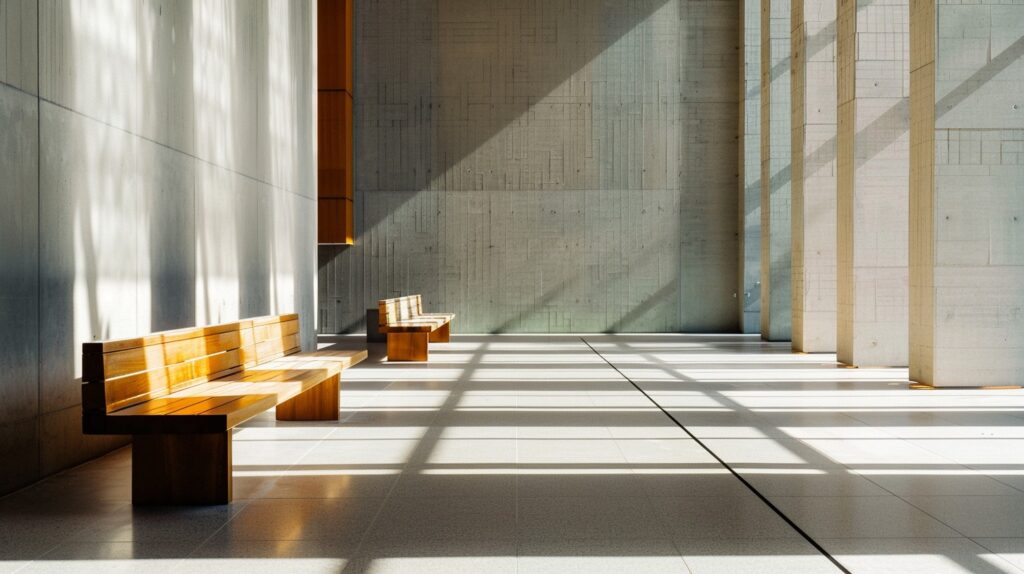
We don’t say, “I remember being there.” We say, “I’ve seen this place.” And that is enough now, enough to recognize it, enough to desire it, enough to feel a strange familiarity with somewhere you’ve never spent time.
Architecture has learned how to exist without our duration. It doesn’t need our lives anymore. It needs our lenses.
Somewhere between designing and rendering, between building and posting, something quietly shifted. We didn’t stop making places; we started making archives. Places that are not meant to age, weather, or accumulate stories, but to remain suspended, endlessly present, endlessly identical, endlessly elsewhere.
We don’t live in them.
The picture does.
And maybe that’s the most honest description of our moment: not a time when spaces disappeared, but a time when places learned how to leave us behind.