

Modpods
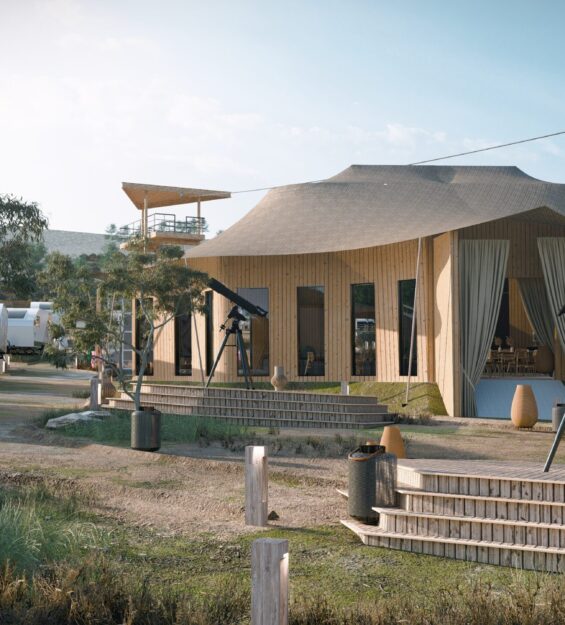
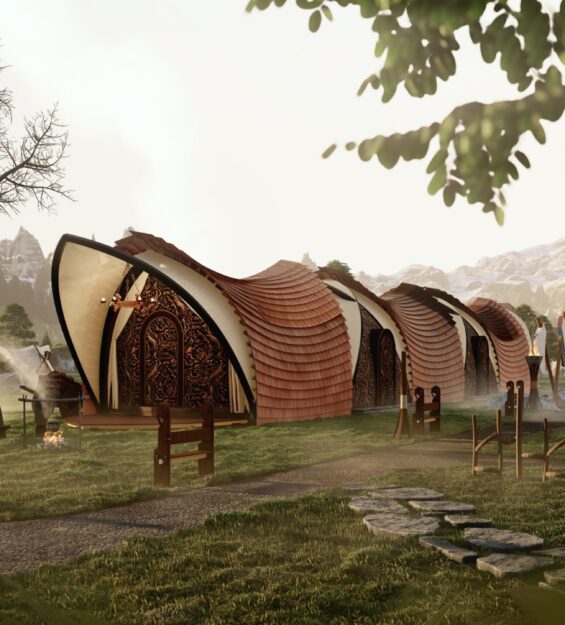
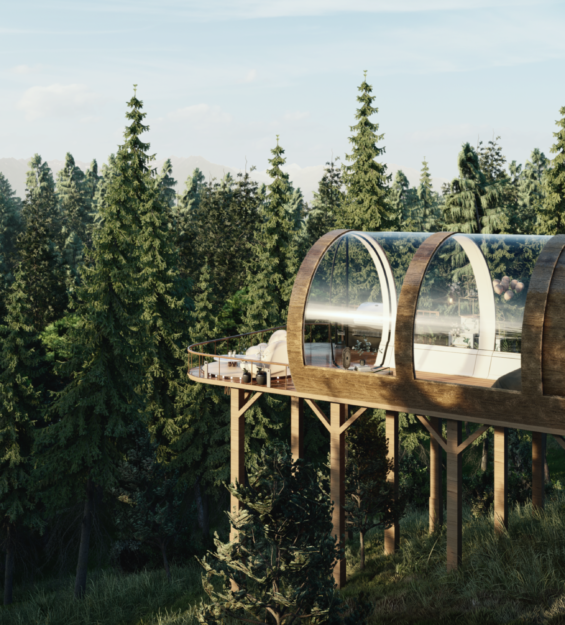
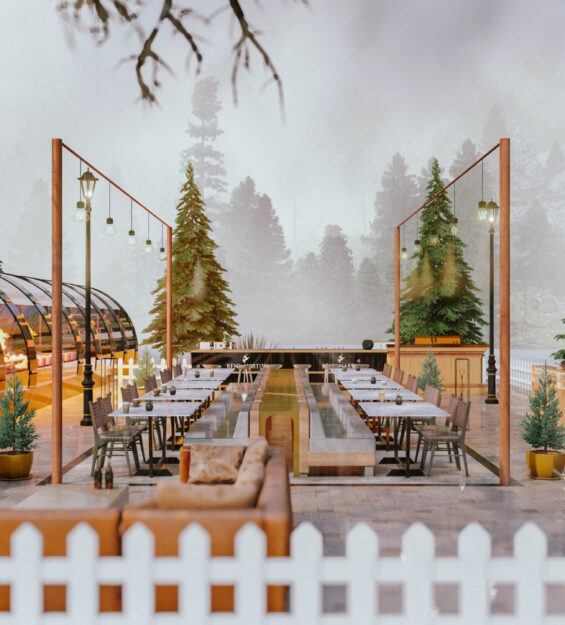
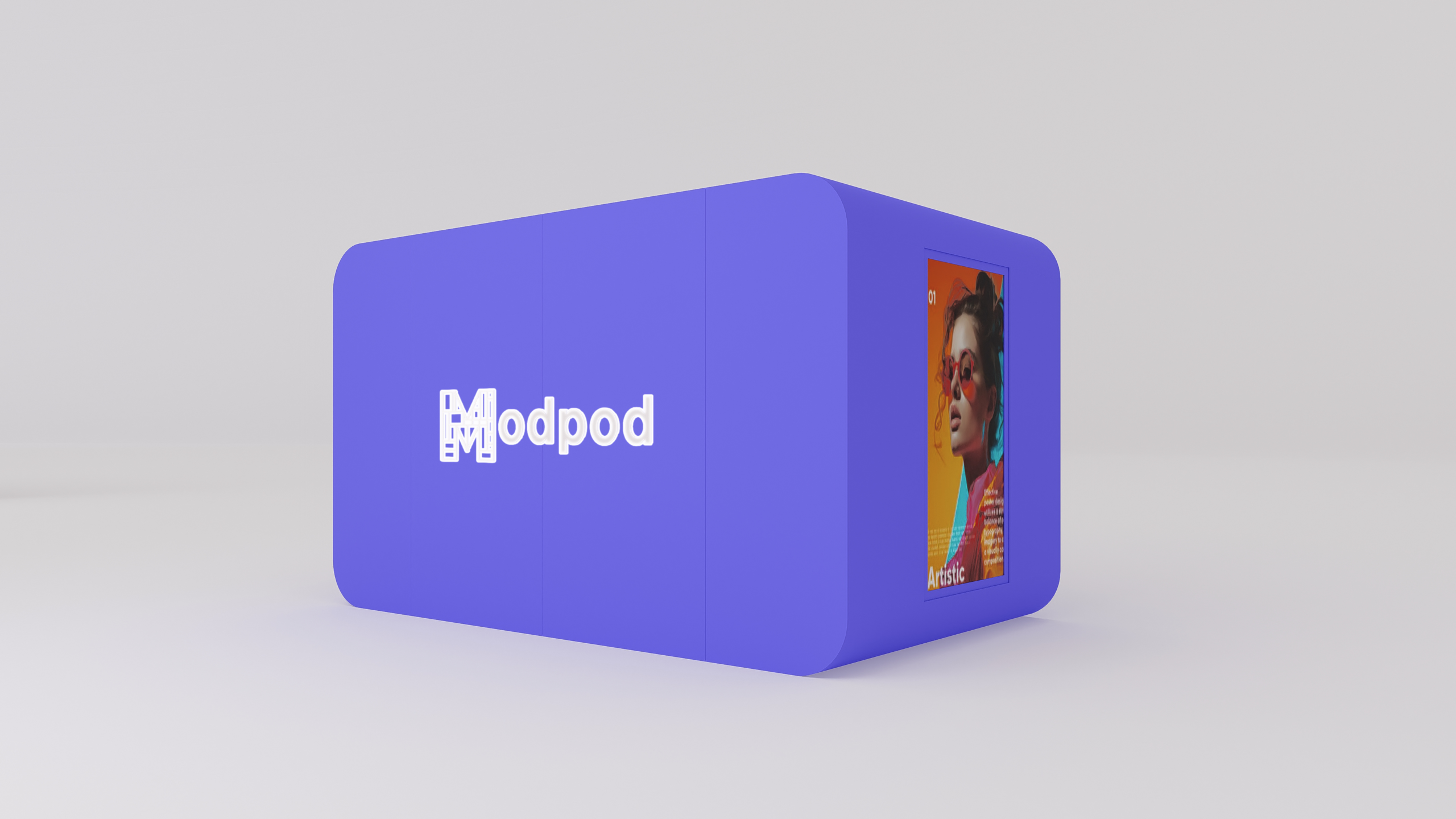
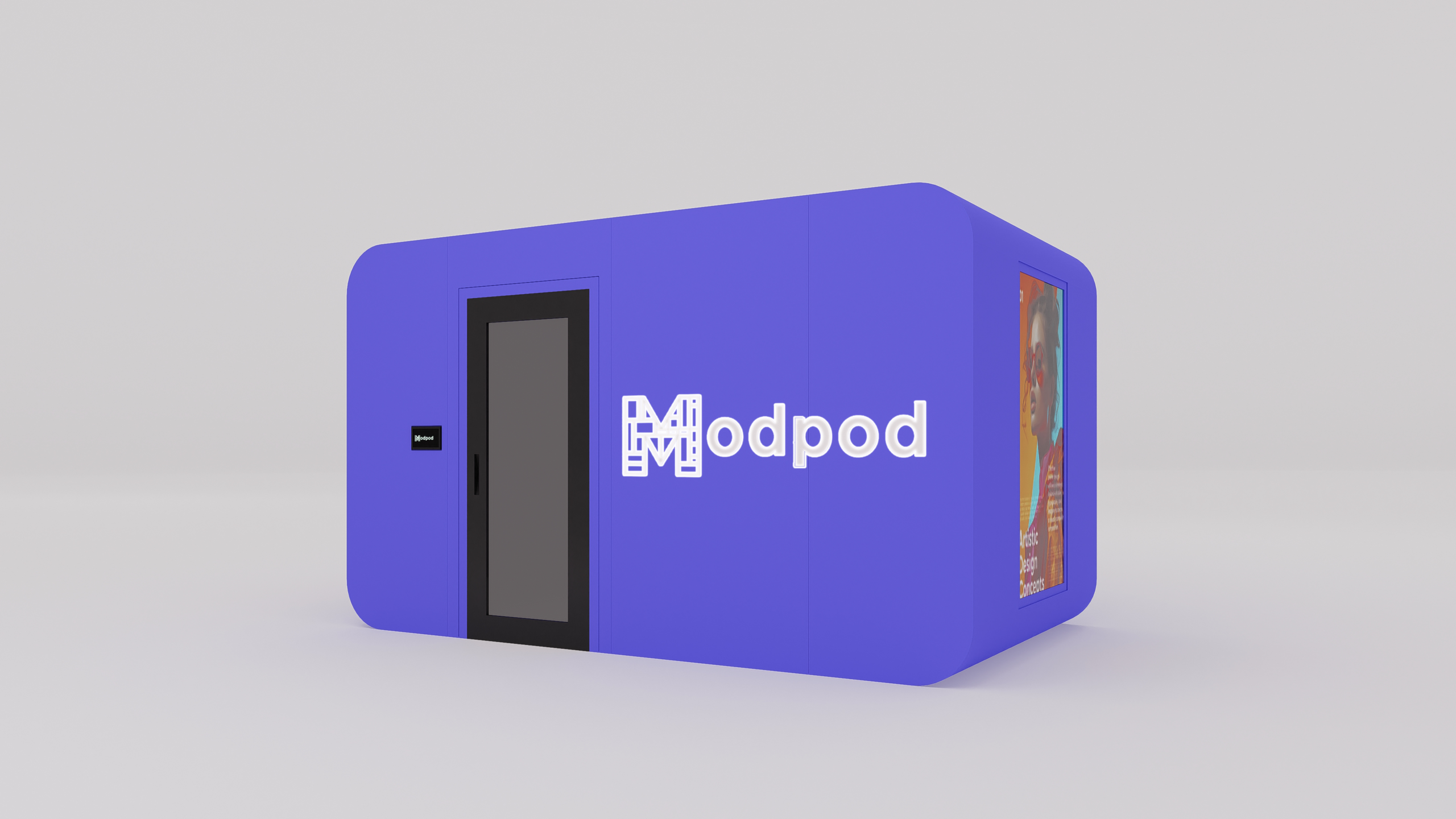
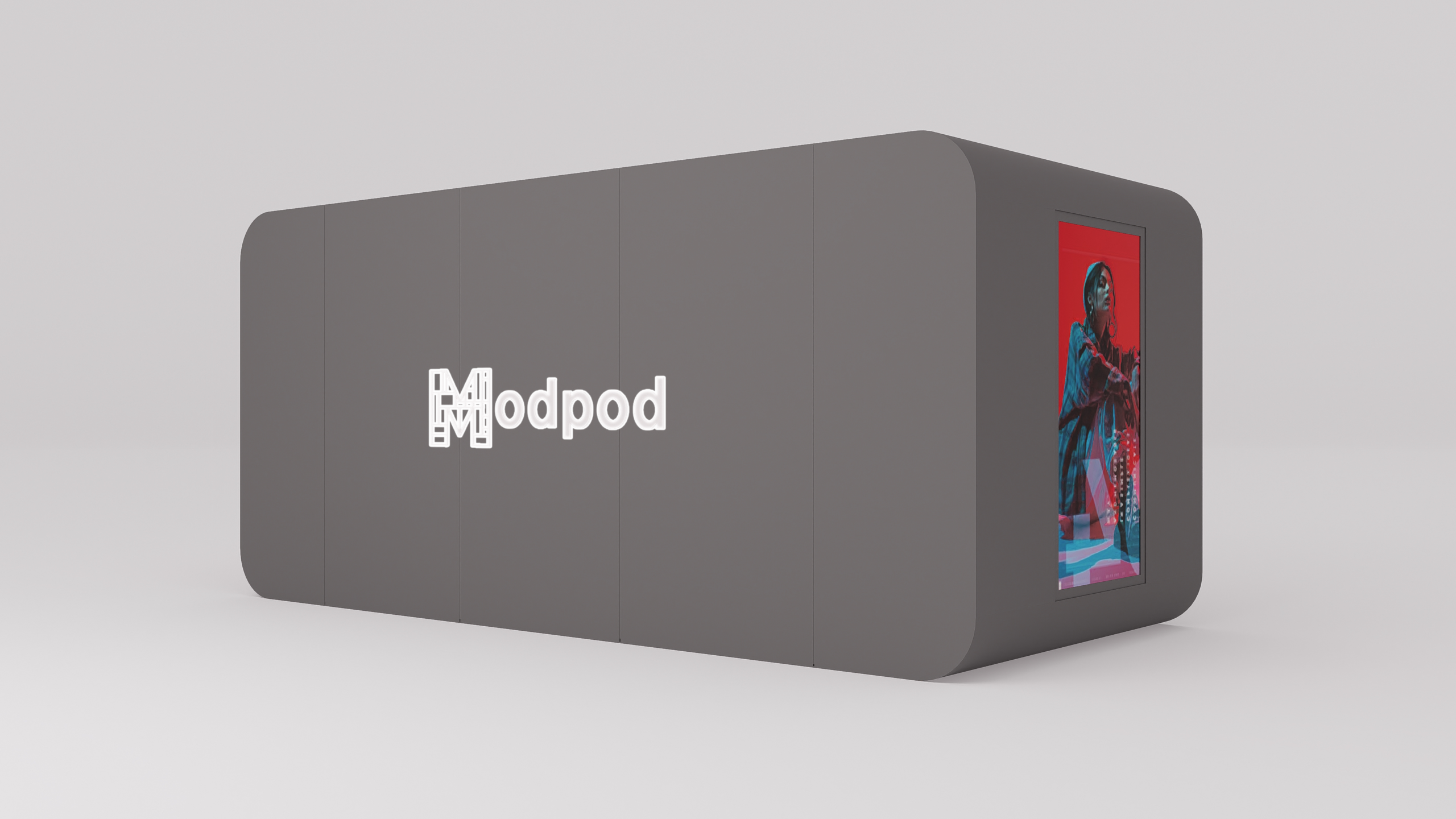
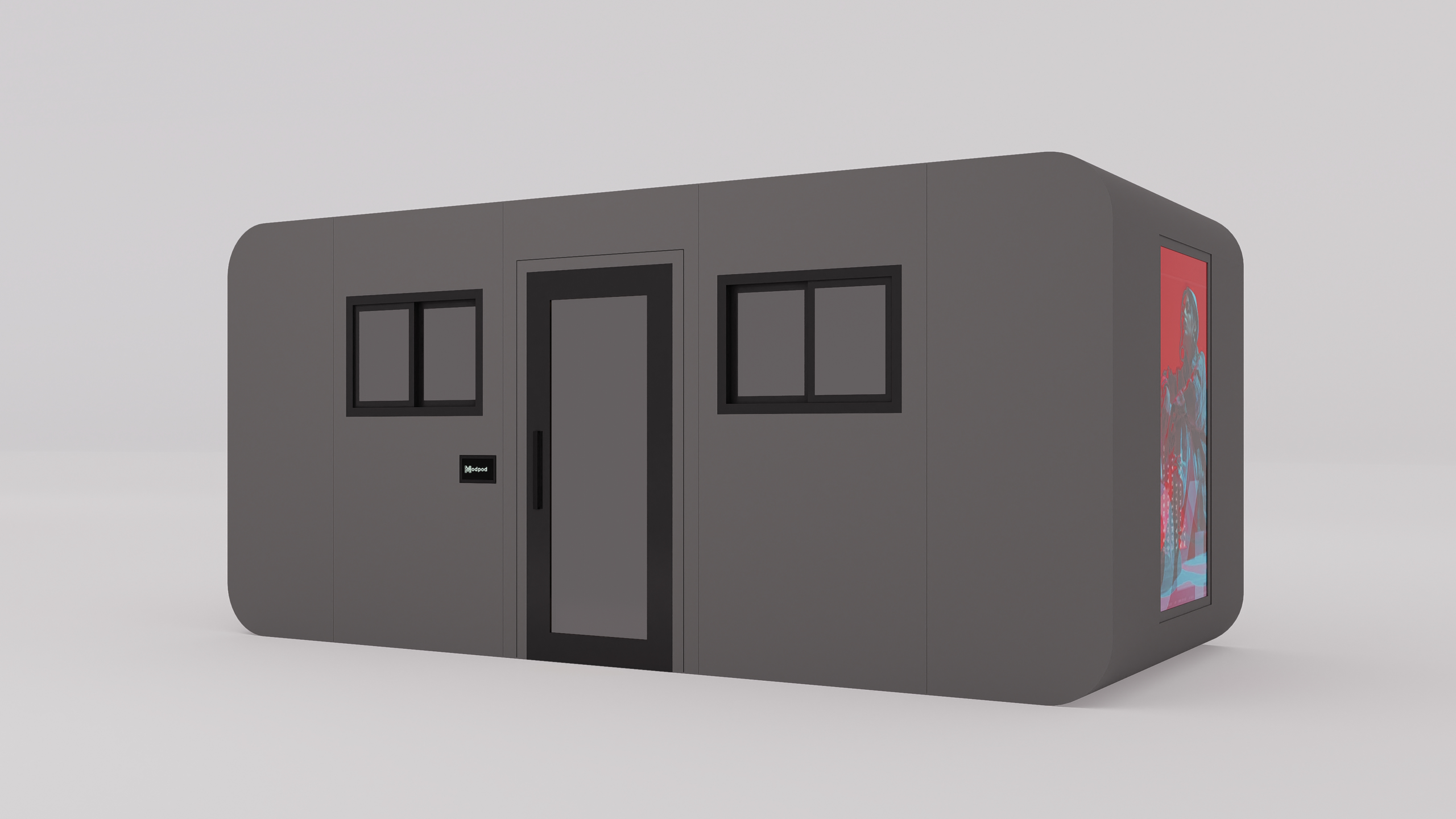
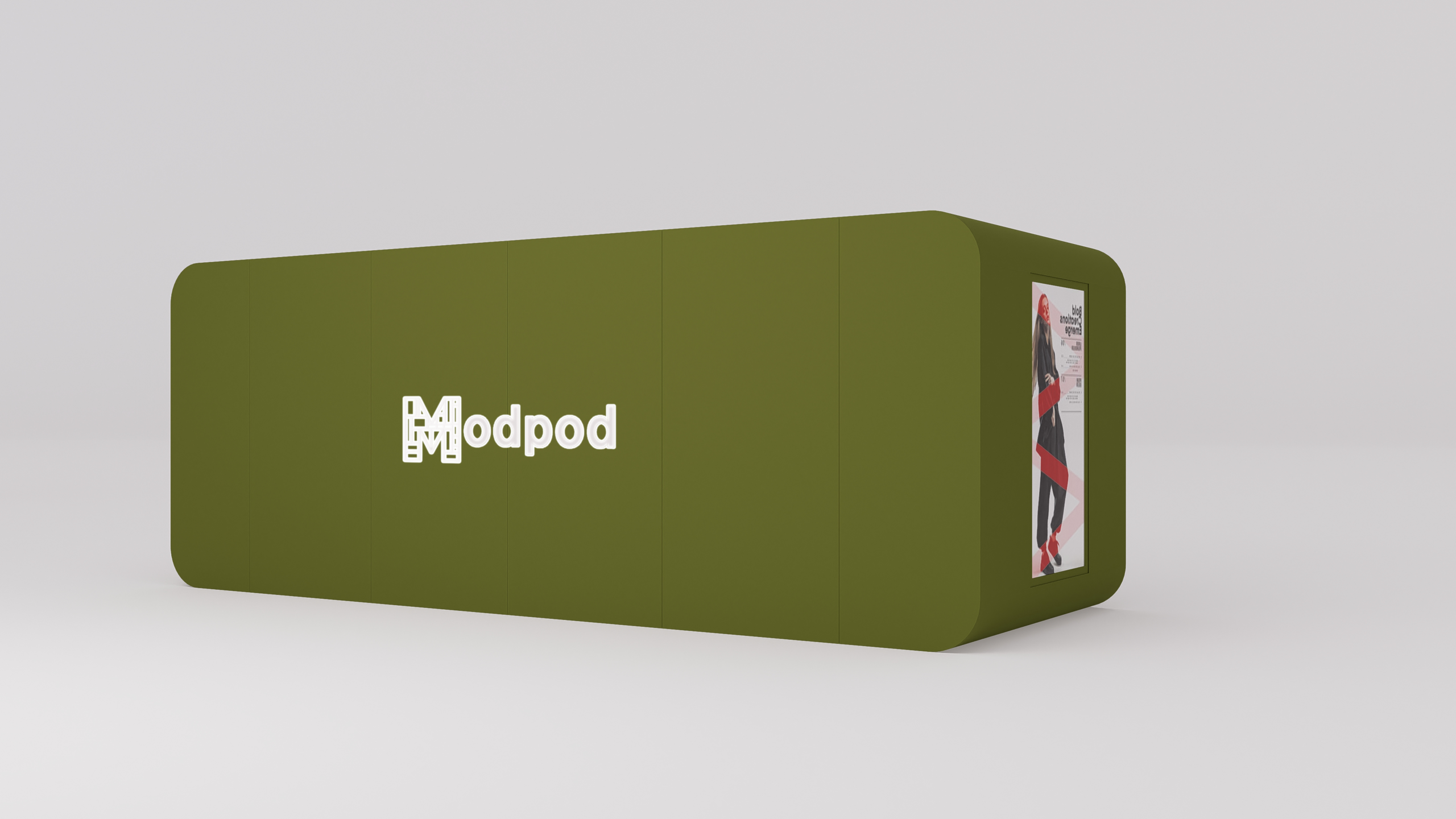
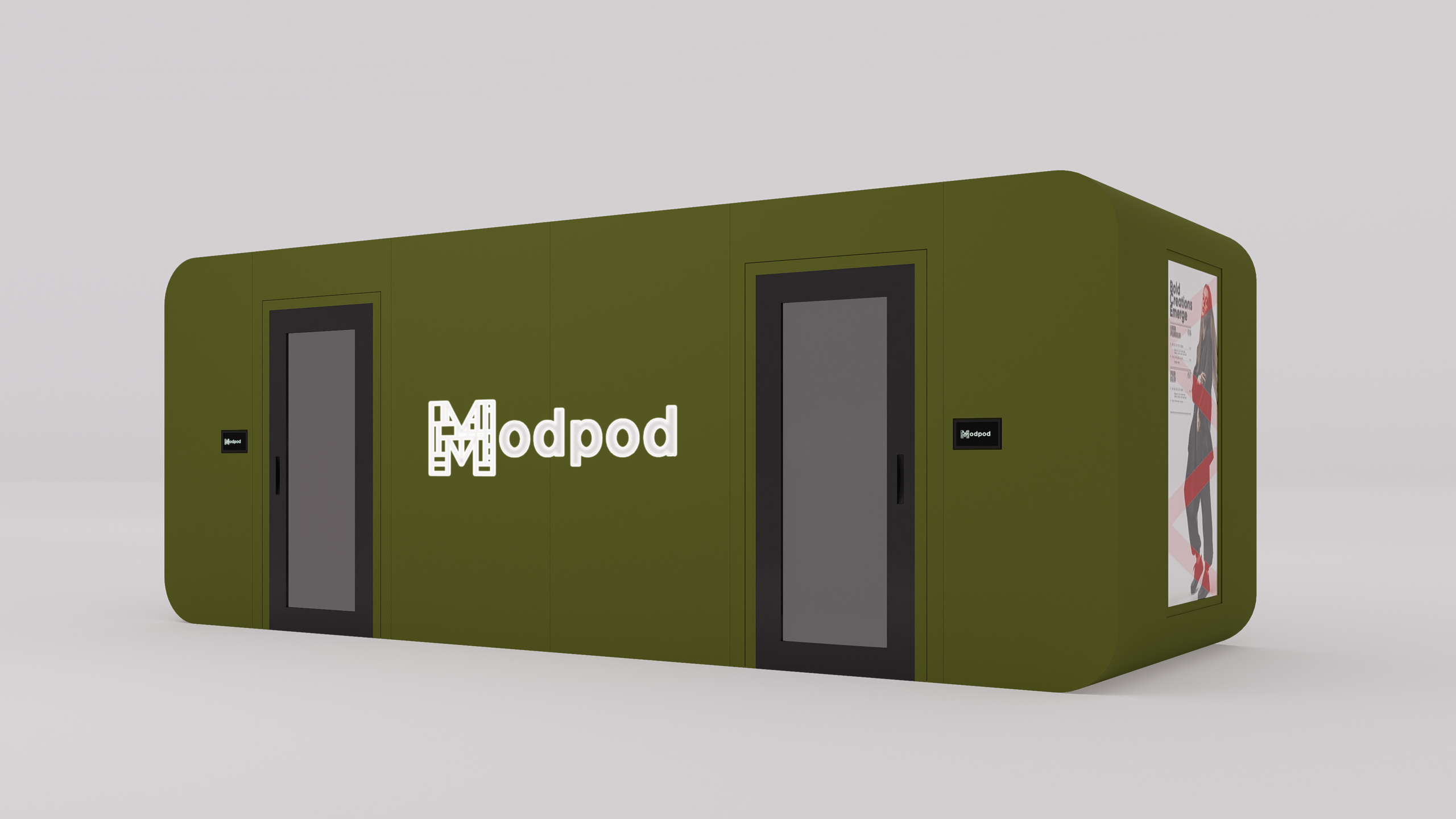
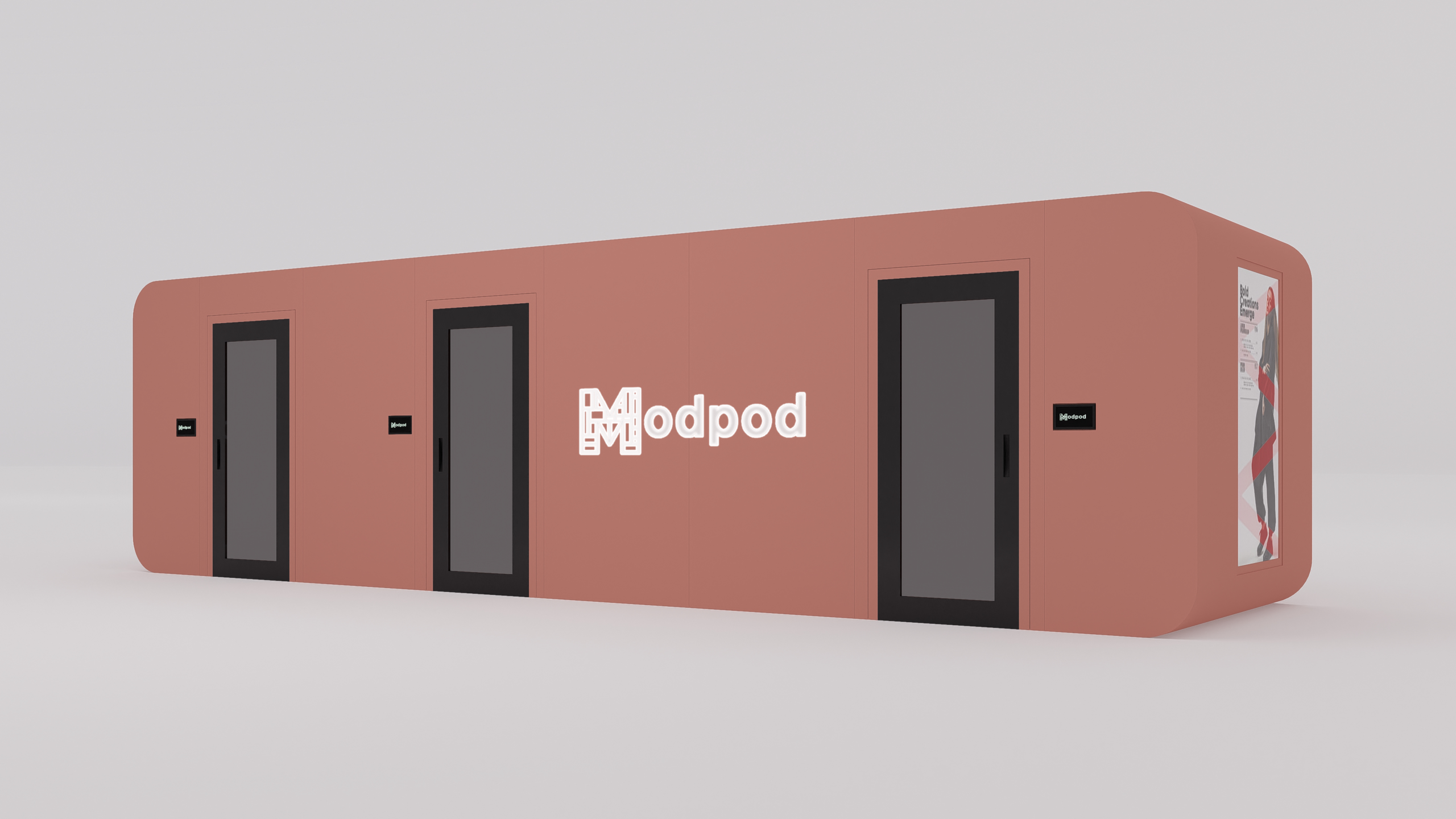
A modular pod design system by Arcine Studio, created as a flexible single, double, and triple pod configuration that can be placed across different sites and expanded according to user needs.
PROJECT CONCEPT
Modpods is a flexible modular pod design system created by Arcine Studio, compact, adaptable, and scalable spaces that are not tied to one fixed location. Instead of designing a pod for a single site, the project was developed as a repeatable architectural system that can be placed in different environments and expanded as needed.
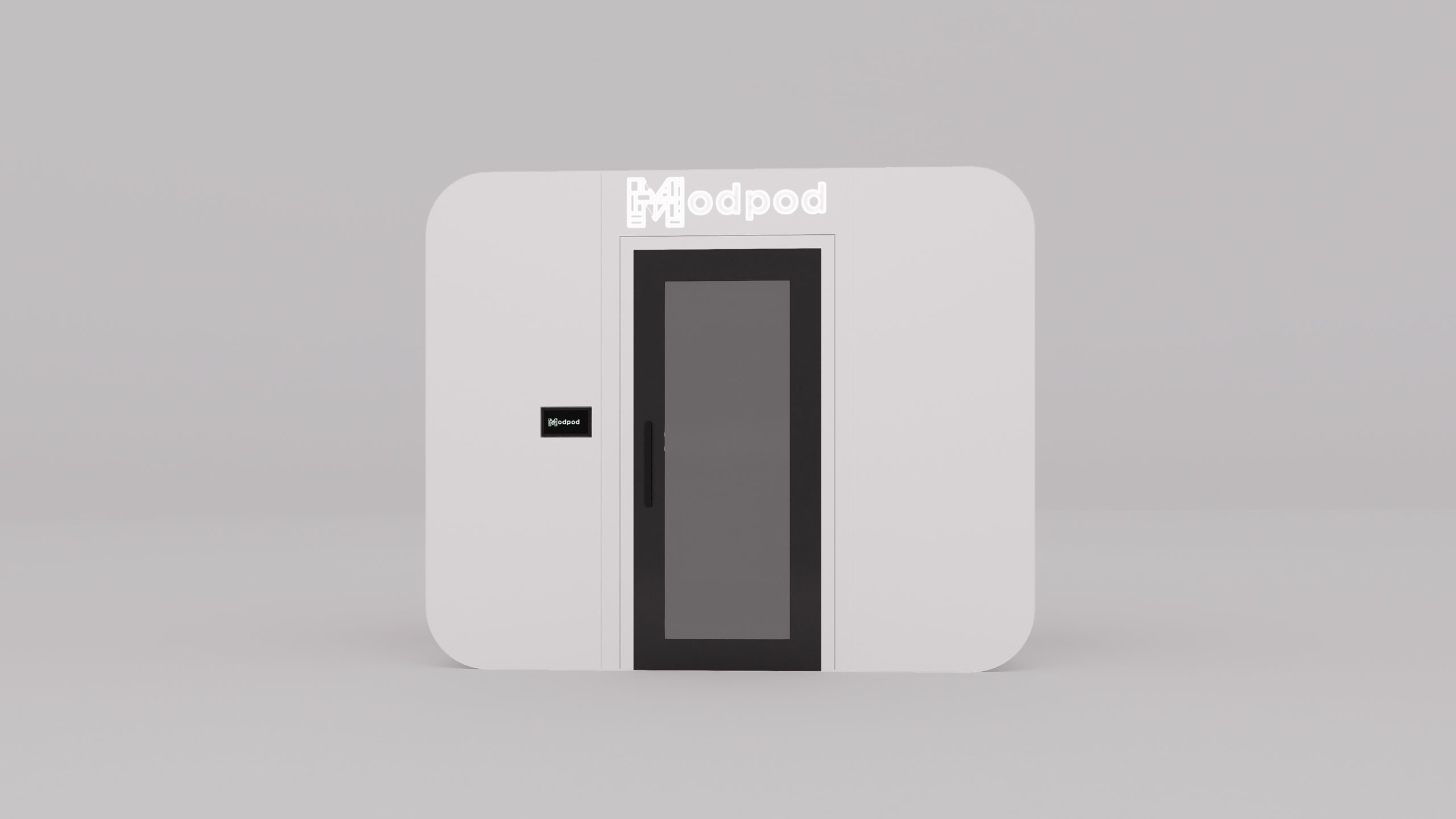
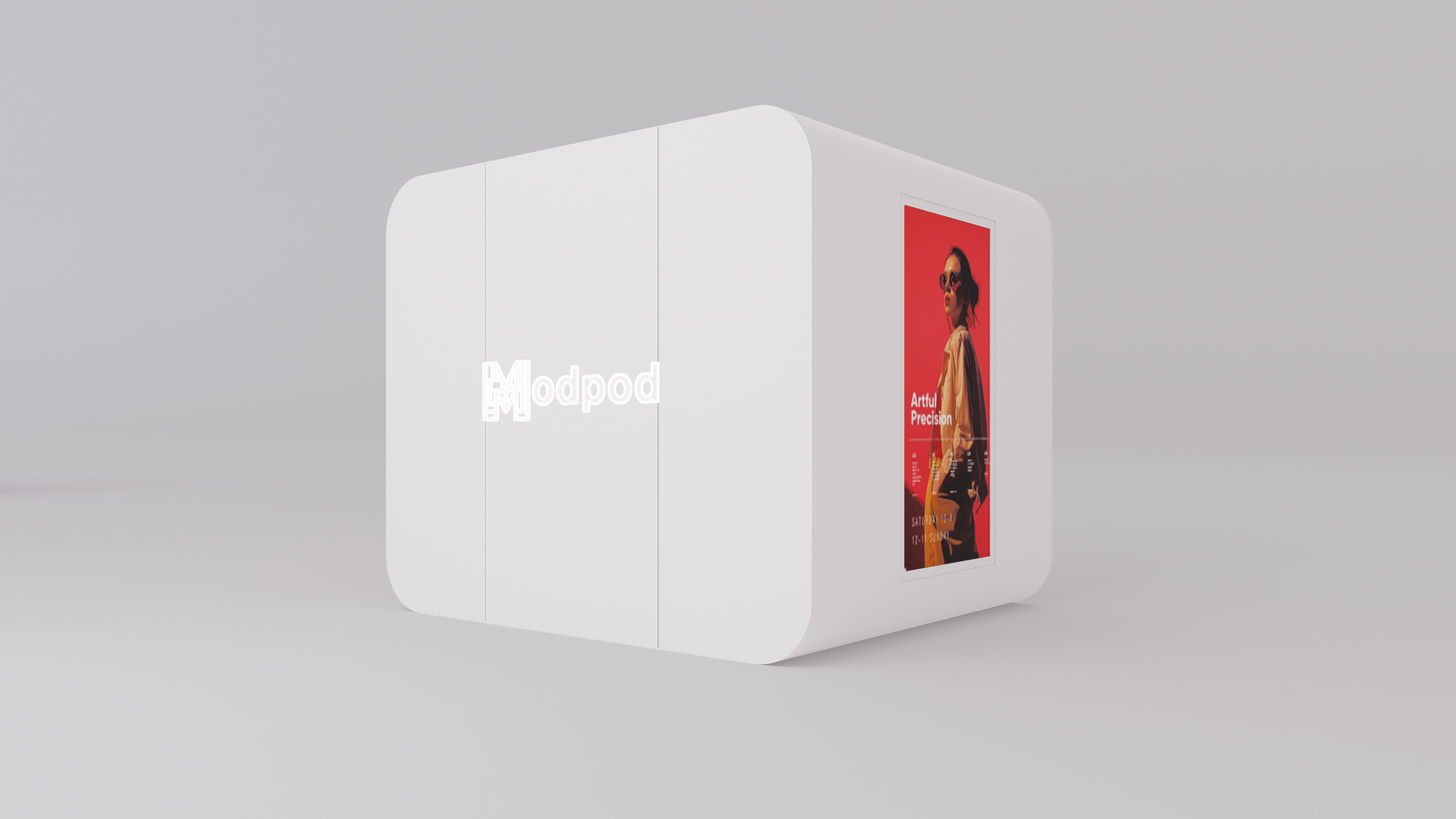
The design begins with a single pod, a compact standalone unit that can function independently. From there, the system allows multiple pods to connect and grow into double or triple configurations, creating larger spaces without losing the clarity of the original module. This gives the design a strong sense of flexibility, allowing it to respond to different uses, site sizes, budgets, and future expansion needs.
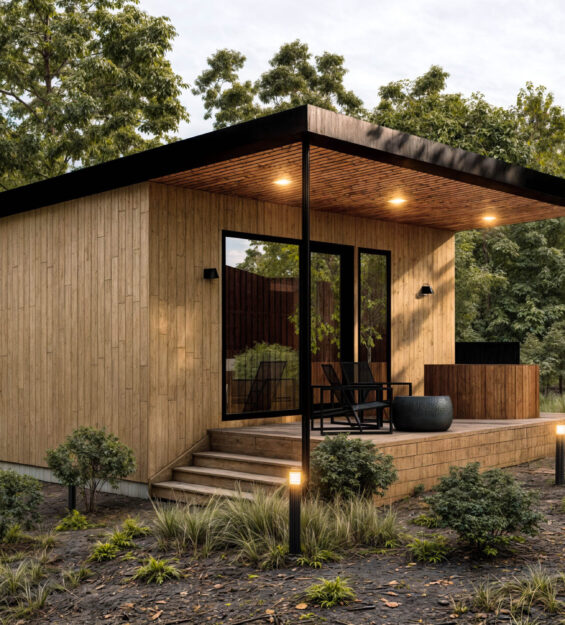
The main strength of Modpods lies in its ability to shift between independence and connection. A single unit can work as a private cabin, studio, guest room, office, retreat pod, or compact living space. When joined with another unit, it becomes a larger layout with more functional possibilities. The triple pod configuration expands the system even further, allowing the modules to form a more complete residential, hospitality, or remote work setting.
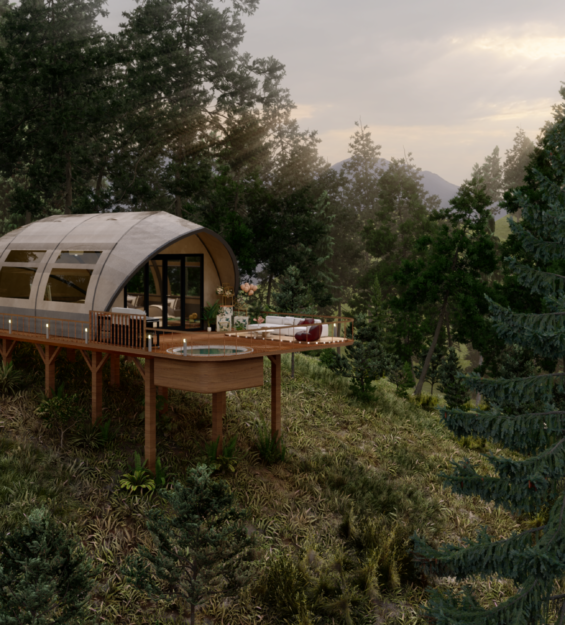
Because the client wanted a pod system that could be placed anywhere, Arcine Studio focused on a design language that feels clean, adaptable, and site-neutral. The architecture is not overly dependent on one landscape, climate, or terrain. Instead, it is designed to be flexible enough for retreat developments, backyard units, resort cabins, temporary stays, compact housing, remote offices, or small-scale hospitality projects.
Through modular design and architectural visualization, Arcine Studio translated Modpods into a clear product-based concept: a compact architectural system that can begin as one pod, connect into larger configurations, and adapt to changing needs across different locations.